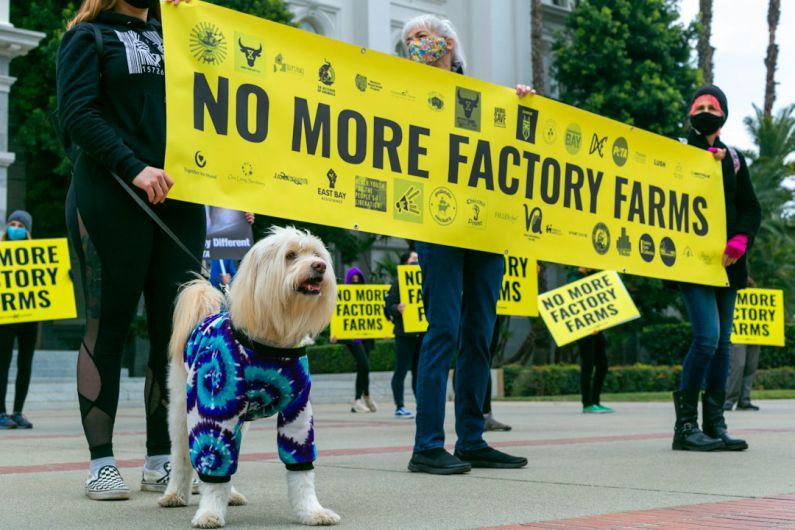
Giving Voice to the Voiceless: Animal Rights Campaigns
Animals have long been at the mercy of human beings. They are often subjected to abuse, neglect, and exploitation, all in the name of human interests. However, in recent years, there has been a growing movement to give a voice to the voiceless and fight for the rights of animals. Animal rights campaigns have gained significant traction, raising awareness and advocating for change. In this article, we will explore the importance of these campaigns and the impact they have on animal welfare.
Raising Awareness: Shedding Light on Animal Cruelty
One of the main objectives of animal rights campaigns is to raise awareness about the various forms of animal cruelty that exist in our society. These campaigns aim to expose the harsh realities that animals face on a daily basis, from factory farming to animal testing. Through powerful imagery, stories, and testimonials, they bring attention to the suffering that animals endure, often hidden from public view.
By shedding light on these issues, animal rights campaigns help to educate the public about the ethical implications of their actions and choices. They encourage individuals to question their own behavior and consider the impact it has on animals. In turn, this increased awareness can lead to changes in consumer habits, as more people opt for cruelty-free alternatives and support companies that prioritize animal welfare.
Advocacy and Policy Change: Fighting for Legal Protection
Animal rights campaigns not only raise awareness but also actively advocate for policy changes to protect animals. By lobbying governments, organizing protests, and engaging in public discourse, these campaigns strive to influence legislation and establish legal protections for animals. They aim to ensure that animals are recognized as sentient beings with the right to live free from harm and exploitation.
The impact of these campaigns can be seen in the growing number of countries that have implemented bans on animal testing, circuses with live animals, and fur farming. These victories are a testament to the power of advocacy and the ability to effect change through collective action. However, there is still much work to be done, as many forms of animal cruelty remain legal in various parts of the world.
Changing Attitudes: Shifting the Paradigm
Animal rights campaigns not only seek to change laws and policies but also to shift societal attitudes towards animals. They challenge the deeply ingrained belief that animals exist solely for human use and propose a more compassionate and respectful approach. Through education and outreach programs, these campaigns aim to foster empathy and understanding for animals, encouraging individuals to view them as sentient beings deserving of love and care.
As attitudes change, the demand for animal products and services that exploit animals decreases. This shift in consumer behavior has prompted many industries to reassess their practices and adopt more ethical alternatives. Companies are now offering plant-based alternatives, cruelty-free cosmetics, and sustainable fashion choices in response to the growing demand for compassionate products. This change in the marketplace demonstrates the influence that animal rights campaigns can have on shaping consumer preferences and driving industry-wide change.
Conclusion: A Call to Action
Animal rights campaigns play a crucial role in giving a voice to the voiceless and challenging the status quo. By raising awareness, advocating for policy change, and shifting societal attitudes, these campaigns are working towards a world where animals are treated with compassion and respect. However, achieving true animal rights requires the collective effort of individuals, communities, and governments. It is up to us to support these campaigns, make ethical choices, and speak out against animal cruelty. Together, we can create a future where animals are no longer voiceless victims but valued members of our global community.