How to Recycle Effectively at Home
Recycling has become an essential part of our daily lives, as we strive to reduce waste and protect our environment. However, recycling can sometimes be confusing and overwhelming, with different guidelines and rules to follow. In this article, we will provide you with some useful tips on how to recycle effectively at home.
Understanding the Basics
Before we dive into the specifics, let’s first understand the basics of recycling. Recycling involves collecting and processing materials that would otherwise be thrown away as trash. These materials, such as paper, plastic, glass, and metal, are then transformed into new products. Recycling not only conserves resources but also reduces the energy and pollution associated with producing new materials.
Know What Can Be Recycled
To recycle effectively, it is crucial to know what items can be recycled. While guidelines may vary depending on your location, some common recyclable items include paper, cardboard, plastic bottles and containers, glass bottles and jars, aluminum cans, and steel cans. It is important to note that not all plastics are recyclable, so be sure to check the recycling symbols on the packaging.
Separate Your Waste
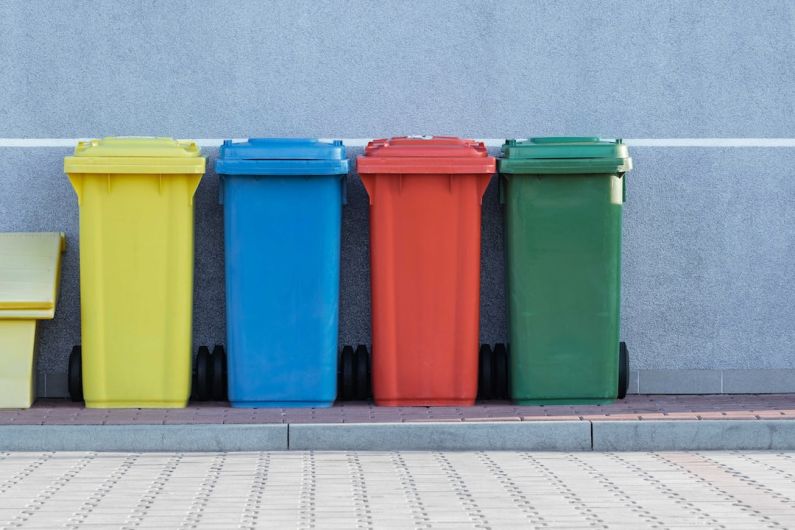
One of the key steps in effective recycling is proper waste separation. Set up separate bins or containers for different types of recyclables. Label each bin accordingly, making it easy for you and your family members to sort waste correctly. By separating your waste at the source, you ensure that the recyclable materials remain clean and uncontaminated, maximizing their recycling potential.
Rinse and Clean Containers
To prevent contamination and ensure the quality of recyclable materials, it is essential to rinse and clean containers before recycling them. Remove any leftover food or liquid from bottles, cans, and jars. This simple step will help maintain the integrity of the recycling process and increase the chances of these materials being successfully recycled.
Avoid Tanglers and Tangles
Items such as plastic bags, wires, and cords can cause problems at recycling facilities. These items tend to get tangled in the sorting machinery, causing delays and potential damage. It is best to avoid recycling these tanglers altogether. Instead, consider reusing or repurposing them, or find specific recycling programs for these items in your community.
Recycle Electronics Responsibly
Electronic waste, or e-waste, requires special handling due to its complex composition and potential environmental impact. Many communities have designated e-waste collection centers or specific days for electronic recycling. Make sure to dispose of old computers, phones, and other electronic devices responsibly by taking them to these designated locations. This ensures that valuable metals and components can be recovered and harmful substances properly disposed of.
Buy Recycled Products
Recycling is a cycle, and it is important to close the loop by purchasing products made from recycled materials. Look for products with labels indicating that they are made from recycled content. By supporting the demand for recycled products, you encourage the growth of recycling industries and create a sustainable market for recycled materials.
Spread the Word
Lastly, one of the most effective ways to recycle effectively at home is to spread the word and educate others. Share your knowledge and experiences with your family, friends, and neighbors. Encourage them to adopt recycling practices and address any misconceptions or questions they may have. By working together, we can have a significant impact on protecting our environment and creating a more sustainable future.
In conclusion, recycling effectively at home is a simple but meaningful contribution to the preservation of our environment. By understanding the basics, knowing what can be recycled, separating waste correctly, and making responsible choices, we can all play a part in reducing waste and conserving resources. So let’s take action today and make recycling a daily habit in our lives.