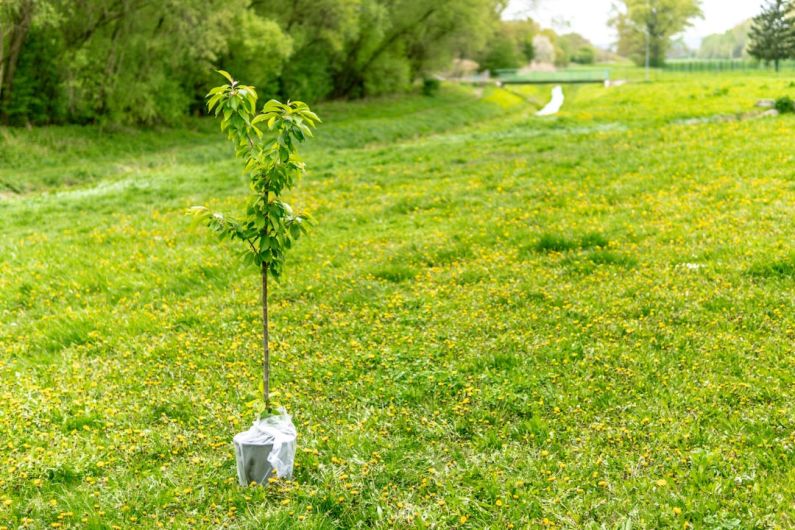
Why Planting Trees Is a Good Deed
Trees are not just a beautiful addition to our landscapes. They play a crucial role in the ecosystem and provide numerous benefits to both humans and the environment. From purifying the air we breathe to conserving energy, planting trees is a good deed that has far-reaching positive impacts. In this article, we will explore some of the key reasons why planting trees is not only beneficial but also necessary.
Environmental Benefits
One of the most significant environmental benefits of planting trees is their ability to absorb carbon dioxide. As part of the photosynthesis process, trees take in carbon dioxide and release oxygen, helping to combat climate change. By planting more trees, we can significantly reduce the amount of greenhouse gases in the atmosphere, thereby slowing down the rate of global warming.
Additionally, trees also act as natural filters, removing pollutants from the air. They trap particulate matter and absorb harmful gases, such as sulfur dioxide and nitrogen oxide, reducing air pollution and improving air quality. This is particularly important in urban areas where air pollution levels are often higher.
Conservation of Natural Resources
Another reason why planting trees is a good deed is their role in conserving natural resources. Trees help to prevent soil erosion by holding the soil in place with their roots, reducing the runoff of water during heavy rains. This helps to preserve the fertility of the soil and prevents the loss of valuable topsoil.
Furthermore, trees contribute to water conservation. Their canopies intercept rainwater, reducing the force of rainfall and allowing the water to seep into the ground more efficiently. This helps to recharge groundwater sources and maintain water levels in rivers and streams, especially during dry periods.
Social Benefits
Planting trees not only benefits the environment but also has numerous social advantages. Trees provide shade, which is particularly valuable in urban areas where temperatures can rise significantly due to the heat island effect. The shade provided by trees reduces the need for air conditioning, thereby conserving energy and lowering electricity bills.
Moreover, trees enhance the aesthetic value of our surroundings. Their vibrant foliage and beautiful blooms add color and vibrancy to our neighborhoods, creating a more pleasant and inviting environment. Numerous studies have shown that exposure to nature, including trees, has a positive impact on mental health, reducing stress and improving overall well-being.
Wildlife Habitat
Trees are essential for maintaining biodiversity and providing habitats for a wide variety of wildlife. They offer food, shelter, and nesting sites for birds, insects, and other animals. Many species rely on specific types of trees for their survival, making the preservation and planting of trees crucial for the conservation of wildlife.
Conclusion: A Responsible Act
Planting trees is not just a good deed; it is a responsible act that benefits the environment, conserves natural resources, and enhances our quality of life. By planting trees, we contribute to the fight against climate change, improve air and water quality, and provide vital habitats for wildlife. So, let’s all do our part and plant more trees, ensuring a greener and more sustainable future for generations to come.