Why Learning First Aid Is a Good Deed
In our fast-paced and unpredictable world, accidents and emergencies can happen at any time. Whether it’s a minor injury or a life-threatening situation, having the knowledge and skills to provide first aid can make all the difference. Learning first aid is not only a good deed, it is also a practical and empowering skill that can save lives. In this article, we will explore the reasons why learning first aid is not just a good deed, but a vital one.
Empowering Yourself to Help Others
The ability to provide first aid is a valuable skill that can empower you to help others in times of need. When an accident or emergency occurs, the first few minutes are often the most critical. By learning first aid, you can become someone who can take immediate action and provide potentially life-saving assistance before professional help arrives. This sense of empowerment can boost your self-confidence and make you feel more prepared for unexpected situations.
Saving Lives in Critical Situations
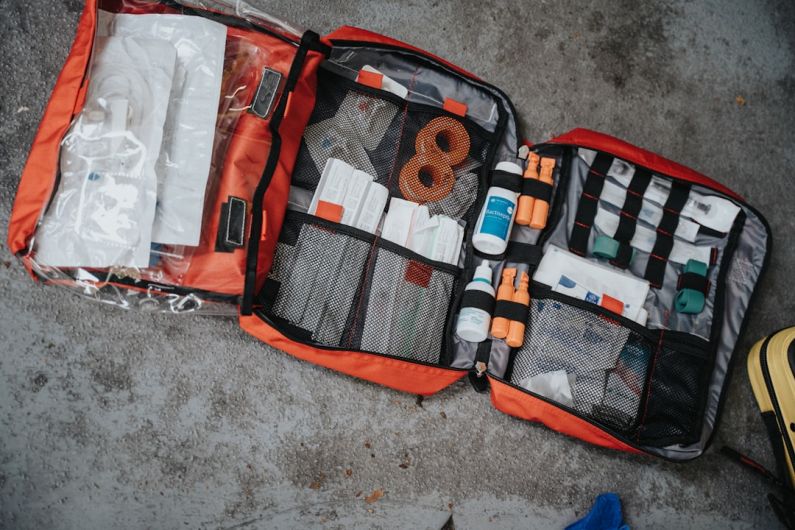
One of the most compelling reasons to learn first aid is the potential to save lives. In many emergency situations, such as cardiac arrest or severe bleeding, immediate action is crucial. By knowing how to perform cardiopulmonary resuscitation (CPR) or control bleeding, you can significantly increase the chances of survival for the victim. These life-saving skills can make a life-or-death difference, particularly in situations where professional medical help may not be immediately available.
Reducing Pain and Suffering
First aid not only focuses on preserving life but also on reducing pain and suffering. By learning basic first aid techniques, you can provide immediate relief to someone in pain or distress. Simple actions like applying a cold compress to a sprained ankle or providing reassurance to a person in shock can make a significant difference in their comfort and well-being. By taking the time to learn first aid, you can become a source of comfort and support to those in need.
Promoting a Culture of Safety
Learning first aid not only benefits individuals but also helps to promote a culture of safety within communities and organizations. By educating yourself and others about first aid, you can raise awareness about potential hazards and the importance of being prepared. This knowledge can inspire others to take action and learn first aid themselves, creating a network of individuals who are ready and able to respond in emergencies. By promoting a culture of safety, we can work together to prevent accidents and minimize their impact when they do occur.
Building Resilience and Preparedness
In addition to the practical benefits of learning first aid, it also helps to build personal resilience and preparedness. By acquiring the knowledge and skills necessary to handle emergencies, you become better equipped to deal with unexpected situations in your own life. Learning first aid encourages problem-solving, quick thinking, and the ability to remain calm under pressure. These skills are not only valuable in emergency situations but also in everyday life, where the ability to stay calm and think clearly can make a significant difference.
Conclusion: A Lifelong Gift
Learning first aid is not just a good deed; it is a lifelong gift. The knowledge and skills gained can have a lasting impact on both yourself and others. By empowering yourself to help others, saving lives in critical situations, reducing pain and suffering, promoting a culture of safety, and building personal resilience and preparedness, you become a valuable asset to your community. So, let us all take the initiative and learn first aid – it is a good deed that can truly make a difference.