Providing Clean Water Solutions to Rural Areas
Access to clean water is a basic human right that many people take for granted. However, in rural areas around the world, this essential resource is often scarce. Lack of clean water can lead to various health issues and hinder economic development. Fortunately, there are innovative solutions being implemented to address this problem and provide clean water to rural communities.
Water Scarcity in Rural Areas
Rural areas are often the most affected by water scarcity. These regions typically have limited infrastructure and resources to secure a reliable water supply. In many cases, people in rural communities rely on unsafe water sources such as rivers, lakes, or shallow wells, which are prone to contamination. This lack of access to clean water contributes to the spread of waterborne diseases, such as cholera and dysentery, which can be life-threatening.
Importance of Clean Water
Clean water is crucial for maintaining good health and preventing the spread of diseases. It is also essential for proper sanitation and hygiene practices. Without access to clean water, sanitation facilities are compromised, leading to increased health risks. Moreover, water scarcity in rural areas often results in reduced agricultural productivity, as water is vital for irrigation purposes. This, in turn, affects the livelihoods and economic development of rural communities.
Innovative Solutions
Various organizations and initiatives are working towards providing clean water solutions to rural areas. These solutions focus on improving access to clean water through innovative technologies and community participation. Here are some notable examples:
1. Rainwater Harvesting: Rainwater harvesting is a simple yet effective solution that involves collecting rainwater from rooftops and storing it for later use. This method is particularly suitable for areas with limited groundwater resources. Rainwater can be collected in tanks or underground reservoirs and used for drinking, cooking, and irrigation.
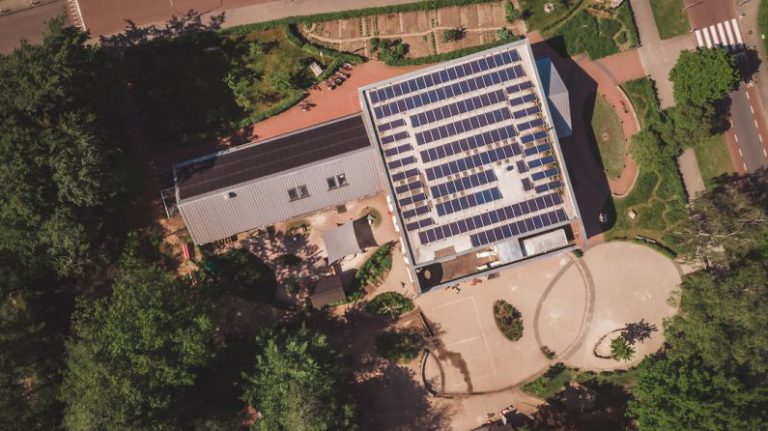
2. Solar-Powered Water Purification: Solar-powered water purification systems use solar energy to purify water from natural sources, such as rivers or wells. These systems employ advanced filtration techniques and ultraviolet (UV) disinfection to remove impurities and kill harmful bacteria and viruses. Solar-powered purification units are cost-effective and environmentally friendly.
3. Community-Led Water Projects: Community-led water projects empower local communities to take charge of their water supply. These projects involve training community members in water management, maintenance, and repair. By involving the community in decision-making and implementation, these initiatives ensure the sustainability of clean water solutions in the long run.
4. Portable Water Filtration Devices: Portable water filtration devices provide an immediate solution for accessing clean water in remote areas. These compact devices are designed to remove contaminants from water sources, making it safe for consumption. They are easy to use and require minimal maintenance, making them suitable for rural communities with limited resources.
The Impact of Clean Water Solutions
Implementing clean water solutions in rural areas has a significant impact on the health and well-being of communities. Access to clean water reduces the incidence of waterborne diseases, improving overall health outcomes. It also enhances sanitation and hygiene practices, leading to a better quality of life. Furthermore, with a reliable water supply, rural communities can engage in productive activities such as agriculture and small-scale businesses, contributing to economic development.
In conclusion, providing clean water solutions to rural areas is essential for improving the health and well-being of communities and promoting economic development. Innovative solutions such as rainwater harvesting, solar-powered water purification, community-led water projects, and portable water filtration devices are making a positive impact in rural areas around the world. By implementing these solutions and involving local communities, we can work towards ensuring that everyone has access to clean water, regardless of their geographical location.