Implementing Renewable Energy Projects in Schools
As the world continues to grapple with the challenges of climate change and the need for sustainable energy sources, schools have a unique opportunity to play a crucial role in educating future generations about renewable energy. By implementing renewable energy projects in schools, not only can we reduce our carbon footprint, but we can also inspire and empower students to become advocates for a greener future.
Creating a Solar-Powered Campus
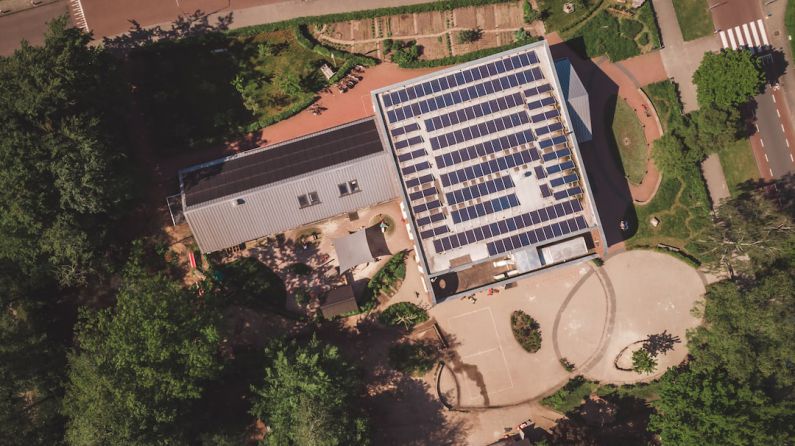
One of the most popular and effective ways to integrate renewable energy into schools is by installing solar panels on campus. Solar power is clean, abundant, and can significantly reduce a school’s energy costs over time. By harnessing the power of the sun, schools can generate their own electricity, reducing reliance on fossil fuels and contributing to a more sustainable future.
To successfully implement a solar-powered campus, schools should first conduct a feasibility study to determine the viability of solar energy in their location. Factors such as the availability of sunlight, space for solar panel installation, and financial considerations should be taken into account. Once the study is complete, schools can seek funding, either through grants or partnerships with local businesses or organizations, to cover the costs of purchasing and installing solar panels.
Integrating Renewable Energy into the Curriculum
Implementing renewable energy projects in schools not only helps to reduce energy consumption but also provides an excellent opportunity to incorporate sustainability into the curriculum. By integrating renewable energy topics into various subjects such as science, math, and social studies, students can develop a deeper understanding of the importance of renewable energy and its impact on the environment.
For example, in science classes, students can learn about the science behind solar energy, wind power, and other renewable energy sources. They can conduct experiments to understand how solar panels work and explore the efficiency of different types of renewable energy systems. In math classes, students can analyze data related to energy consumption and calculate the potential cost savings of implementing renewable energy projects. In social studies classes, students can explore the social, economic, and political implications of transitioning to renewable energy sources.
Engaging Students in Energy Conservation
In addition to implementing renewable energy projects, schools can also engage students in energy conservation efforts. By promoting energy-saving habits, schools can reduce their overall energy consumption and further contribute to a sustainable future. Simple actions such as turning off lights when not in use, using natural light whenever possible, and encouraging the use of energy-efficient appliances can make a significant difference in energy conservation.
Schools can also organize energy-saving competitions or initiatives to encourage students to actively participate in reducing energy consumption. These initiatives can include challenges to see which classroom can reduce their energy usage the most or campaigns to raise awareness about the importance of energy conservation.
A Greener Future Starts in Schools
Implementing renewable energy projects in schools is not only beneficial for the environment but also provides students with valuable hands-on learning experiences. By engaging students in renewable energy initiatives, schools can empower them to become future leaders in sustainability and inspire them to pursue careers in renewable energy.
With the increasing urgency of addressing climate change, schools have a unique opportunity to lead by example and create a greener future. By embracing renewable energy projects, integrating sustainability into the curriculum, and engaging students in energy conservation efforts, schools can pave the way for a more sustainable and environmentally conscious society. Together, we can make a difference and ensure a brighter future for generations to come.