Cleaning up Nature: How to Organize a Successful Event
Every year, millions of tons of waste end up in our natural environment, causing significant damage to ecosystems and wildlife. As concerned citizens, it is our responsibility to take action and clean up these spaces. One effective way to make a positive impact is by organizing a successful nature clean-up event. In this article, we will discuss the steps you need to take to ensure your event is a success.
1. Set a Clear Objective
The first step in organizing a successful nature clean-up event is to establish a clear objective. What do you hope to achieve through this event? Do you want to clean up a specific area, raise awareness about the importance of environmental conservation, or engage the community? Defining your objective will guide your planning process and help you stay focused.
2. Gather a Dedicated Team
Organizing a nature clean-up event requires a team effort. Recruit a group of dedicated individuals who share your passion for the environment. Assign specific roles and responsibilities to each team member to ensure efficient coordination. Having a strong team will not only make the planning process easier but also ensure the success of the event.
3. Choose the Right Location
Selecting the right location for your clean-up event is crucial. Identify areas that are in need of cleaning and have the necessary permission to access them. Consider the type of waste you expect to find and whether special equipment or safety measures are required. Additionally, choose a location that is easily accessible to volunteers and has sufficient parking space.
4. Plan the Logistics
Once you have chosen the location, it is time to plan the logistics. Determine the date and time of the event, keeping in mind factors such as weather conditions and the availability of volunteers. Create a detailed schedule that includes registration, safety briefings, the clean-up activity, and any additional activities or workshops you may have planned.
5. Promote Your Event
To ensure a successful turnout, effective promotion is essential. Utilize various channels such as social media, local newspapers, community bulletin boards, and word of mouth to spread the word about your event. Create eye-catching posters and flyers that highlight the importance of the clean-up and encourage people to join. Collaborate with local organizations or businesses to expand your reach.
6. Ensure Safety and Sustainability
The safety of volunteers should be a top priority during the clean-up event. Provide safety instructions, including guidelines on handling hazardous waste and using protective equipment. Keep a first aid kit on site and have a designated safety officer to address any emergencies. Additionally, encourage sustainable practices such as using reusable gloves and bags, and disposing of waste properly.
7. Provide Supplies and Refreshments
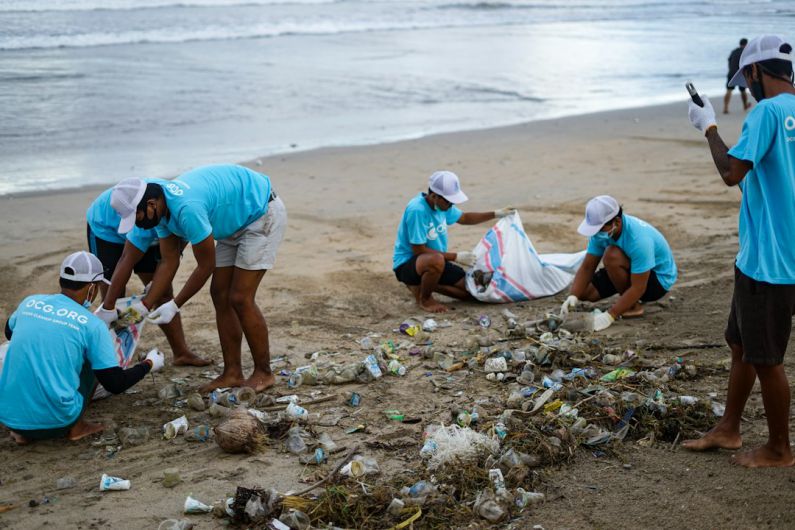
To ensure a smooth clean-up process, provide volunteers with the necessary supplies such as gloves, trash bags, and litter pickers. Consider partnering with local businesses or organizations to sponsor these supplies. It is also important to offer refreshments to keep volunteers motivated and energized throughout the event.
8. Foster Community Engagement
A nature clean-up event is not just about cleaning up waste; it is also an opportunity to foster community engagement and create lasting connections. Organize interactive activities or workshops related to environmental conservation. Encourage volunteers to share their experiences and ideas, and provide a platform for ongoing community involvement in environmental initiatives.
In conclusion, organizing a successful nature clean-up event requires careful planning and execution. By setting clear objectives, gathering a dedicated team, choosing the right location, planning the logistics, promoting the event, ensuring safety and sustainability, providing supplies and refreshments, and fostering community engagement, you can make a significant impact on the environment while inspiring others to take action. Together, we can clean up nature and create a healthier and more sustainable world for future generations.